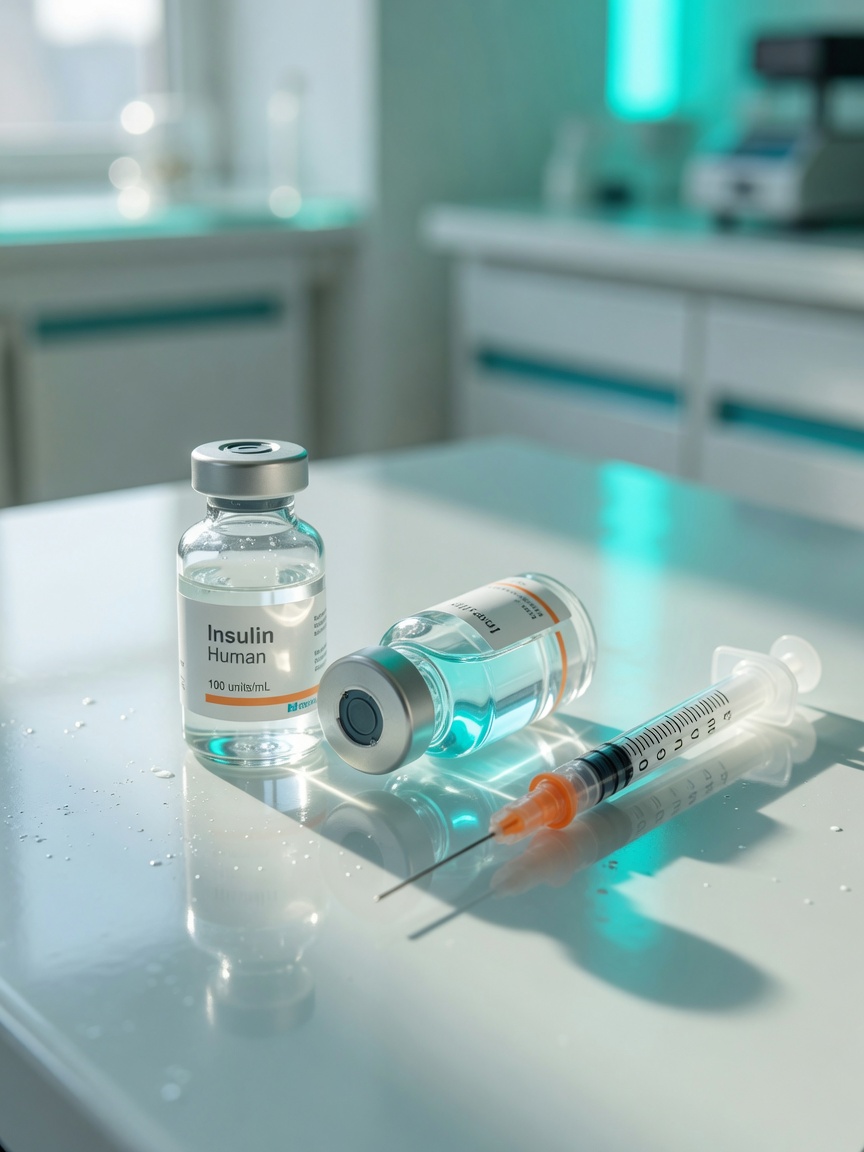
Notable Peptide Examples
Well-studied peptides that illustrate the diversity of structure and function in biology and medicine.
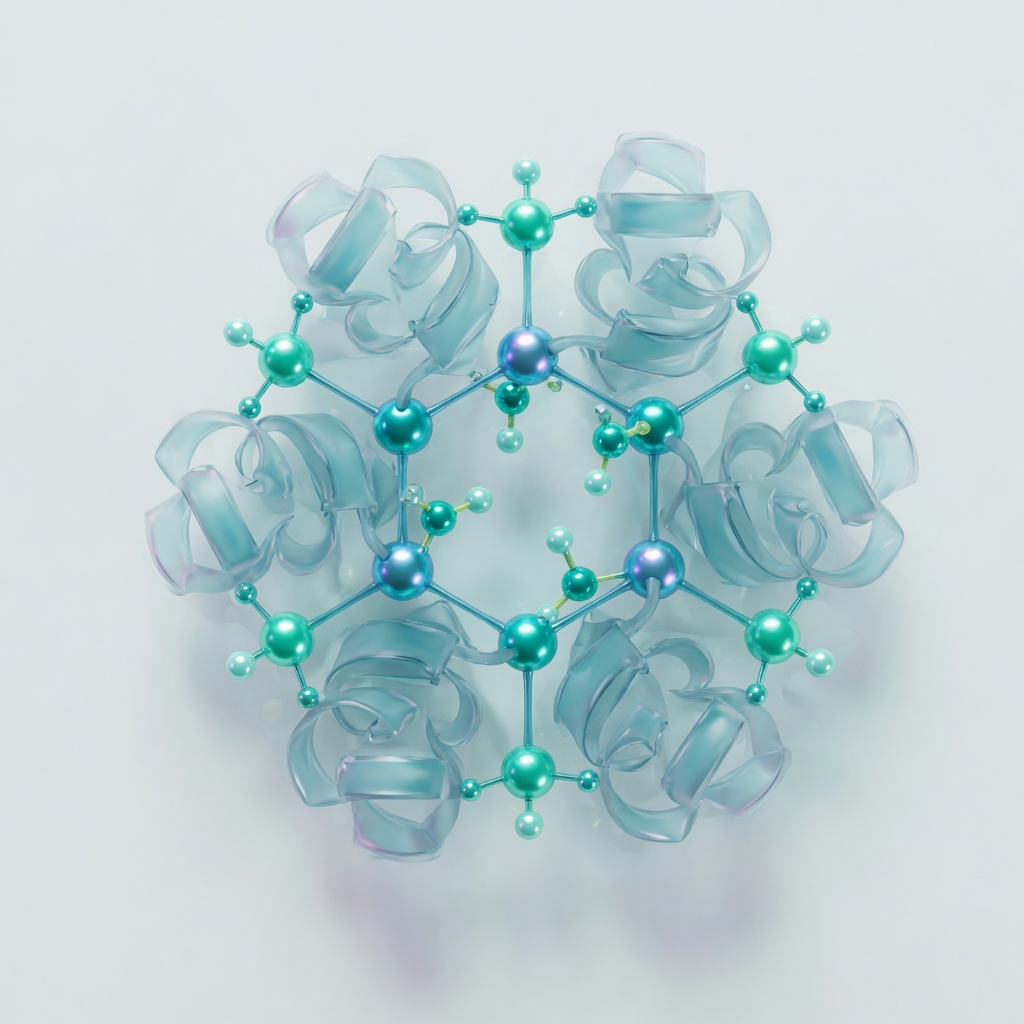
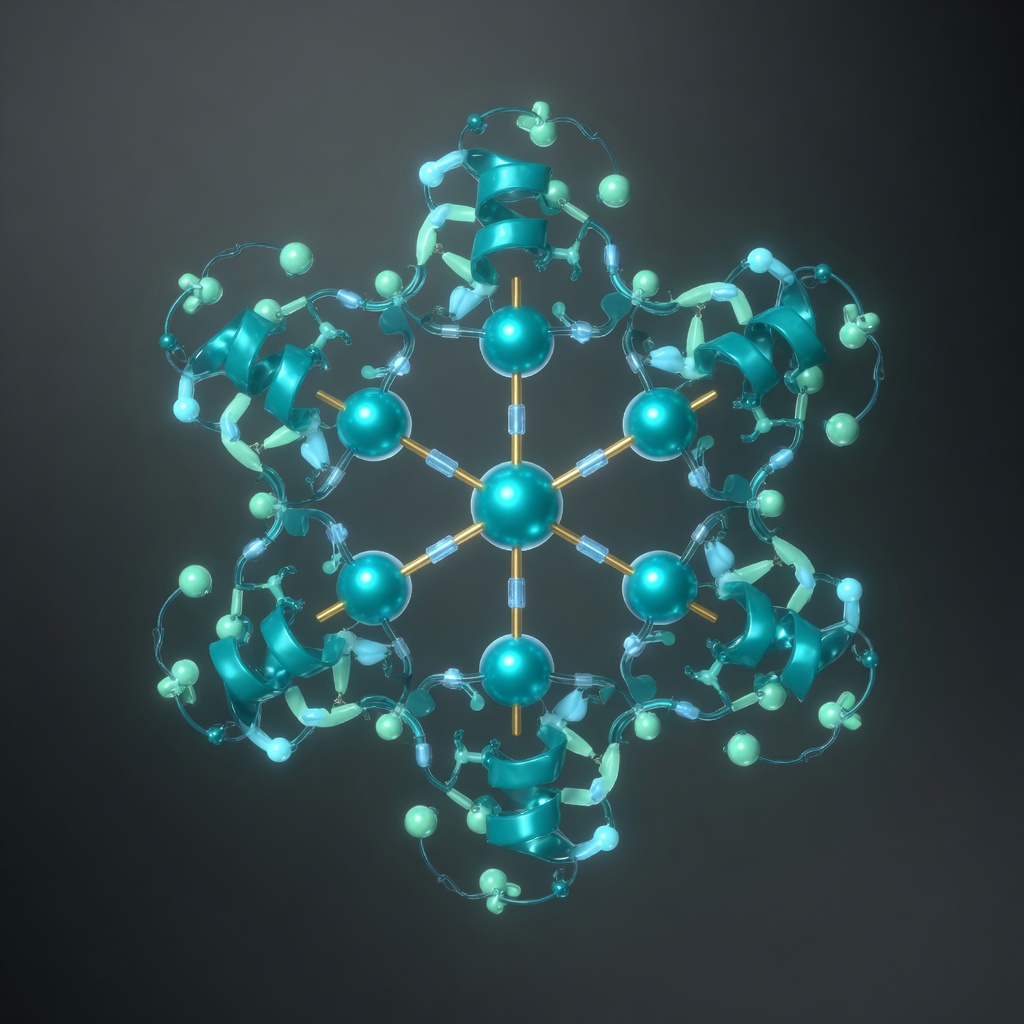
Insulin
A 51-amino-acid peptide hormone produced by pancreatic beta cells. It was the first peptide therapeutic and revolutionized diabetes treatment. Structurally it consists of two chains (A and B) linked by disulfide bonds.
Oxytocin
A 9-amino-acid neuropeptide and hormone synthesized in the hypothalamus. Famous for roles in uterine contraction during childbirth, milk ejection, and social bonding behaviors.
GLP-1 (Glucagon-like peptide-1)
An incretin hormone (30-31 aa) released from intestinal L-cells after meals. It potentiates insulin secretion, suppresses glucagon, and slows gastric emptying. Basis for blockbuster drugs like semaglutide.
Substance P
An 11-amino-acid neuropeptide of the tachykinin family. Primary neurotransmitter for pain signals (nociception) from peripheral nerves to the spinal cord; also involved in inflammation and vomiting.
Defensins
A large family of cationic antimicrobial peptides (typically 30-50 aa) produced by neutrophils and epithelial cells. They kill microbes by membrane disruption and also modulate immune responses.
B-type Natriuretic Peptide (BNP)
A 32-amino-acid cardiac hormone released by ventricular myocytes in response to stretch. Promotes natriuresis, diuresis, and vasodilation. Widely used as a biomarker (NT-proBNP) for heart failure diagnosis.
Endorphins (β-endorphin)
Endogenous opioid peptides (31 aa for β-endorphin) produced in the pituitary and brain. They bind μ-opioid receptors to produce analgesia, euphoria, and stress relief.
Cyclosporin A
A cyclic 11-amino-acid peptide produced by fungi. Famous as a potent immunosuppressant that revolutionized organ transplantation by inhibiting calcineurin and T-cell activation.
Note
These examples represent only a tiny fraction of known peptides. Many more (including thousands of synthetic analogs) are being studied for therapeutic potential. Structure-activity relationship (SAR) studies and chemical modifications are central to turning natural peptides into drugs.